Are All Fish Eggs Called Caviar? Unveiling the Truth
By Behzad Ami
In the world of fine dining and gourmet foods, caviar holds a place of reverence and mystery. Renowned for its luxurious texture and exquisite flavor, caviar is often associated with opulence and sophistication. However, a common question that arises among culinary enthusiasts and curious minds alike is: Are all fish eggs called caviar? This blog post aims to demystify the aura surrounding caviar, exploring its definition, origins, and the distinct types of fish eggs celebrated in gastronomy.
The Definition and Origin of Caviar
Historical Significance of Caviar
Caviar has a storied past that dates back centuries. Originally, the term ‘caviar’ referred exclusively to the salted roe of wild sturgeon from the Caspian and Black Seas. Its consumption can be traced back to ancient Greek and Roman civilizations, where it was prized for its supposed medicinal properties and served as a luxury food at banquets and celebrations. The Russian Tsars and Iranian Shahs were particularly renowned for their fondness for caviar, which played a significant role in the cultural and culinary traditions of these regions.
The True Definition of Caviar
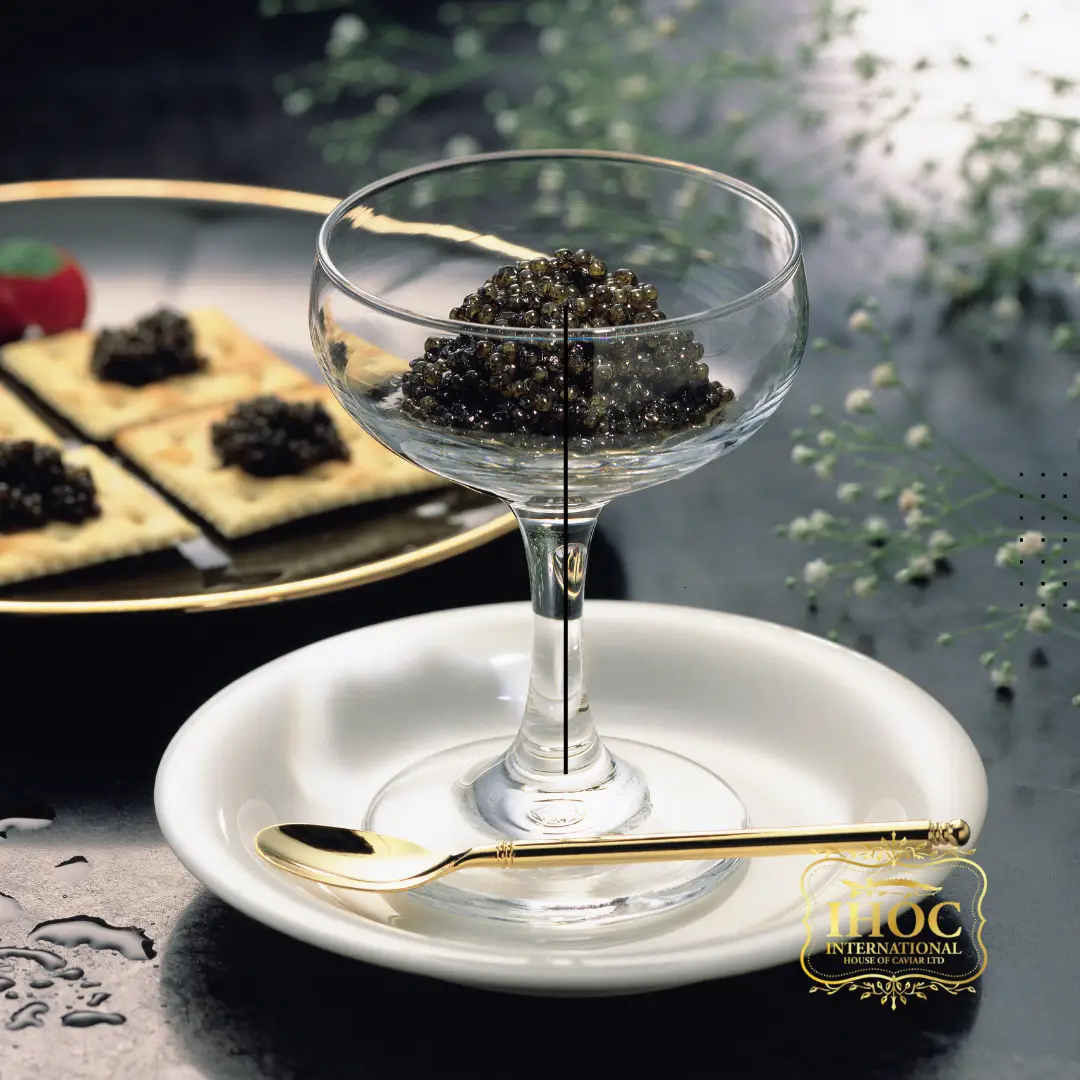
Today, the term ‘caviar’ is strictly defined in culinary and legal contexts. According to traditional and regulatory definitions, true caviar comes only from the roe of sturgeon species, which include varieties such as Beluga, Ossetra, and Sevruga. The International Caviar Importers Association (ICIA) emphasizes this definition, underscoring the importance of the sturgeon’s unique roe in defining caviar’s exclusivity. This delineation is crucial for protecting the integrity of caviar and ensuring that consumers are receiving the authentic product.
The Different Types of Fish Eggs in Gastronomy
Caviar vs. Roe: Understanding the Distinction
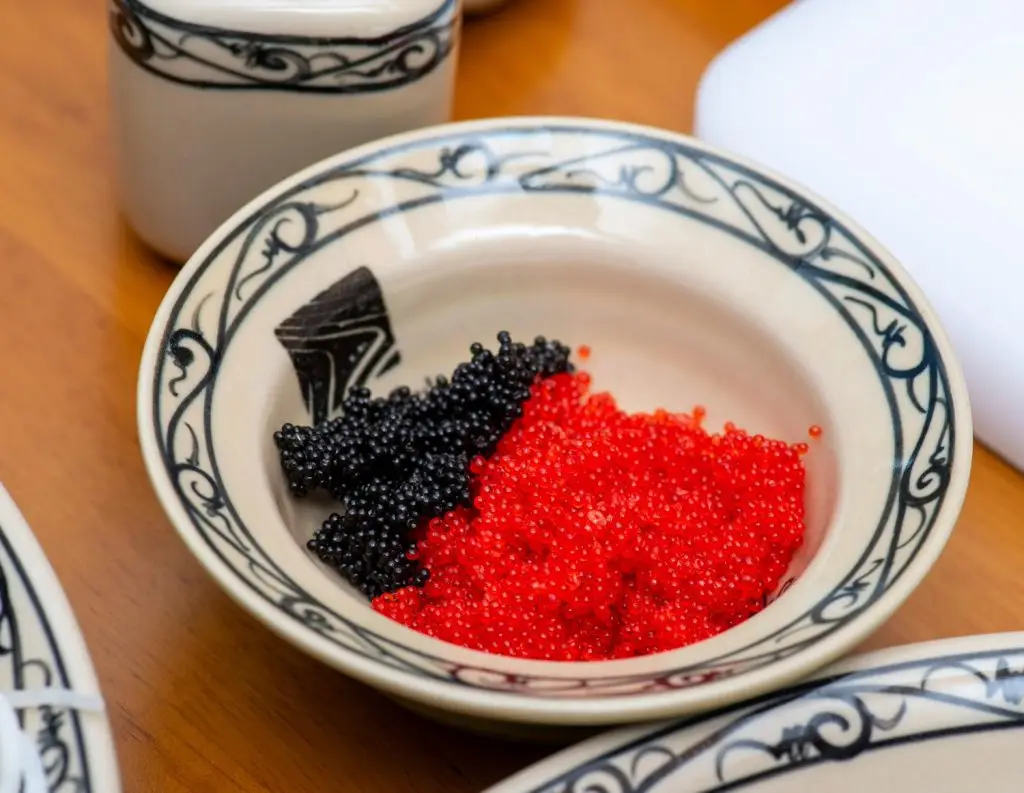
While ‘caviar’ refers specifically to sturgeon roe, ‘roe’ is a general term that encompasses the eggs of various fish and seafood species. Roe is celebrated in many culinary traditions around the world, valued for its flavor, texture, and nutritional benefits. The distinction between caviar and roe is significant, as it not only impacts the culinary use and pricing of these products but also their cultural and gastronomic significance.
Popular Types of Roe Used in Culinary Arts
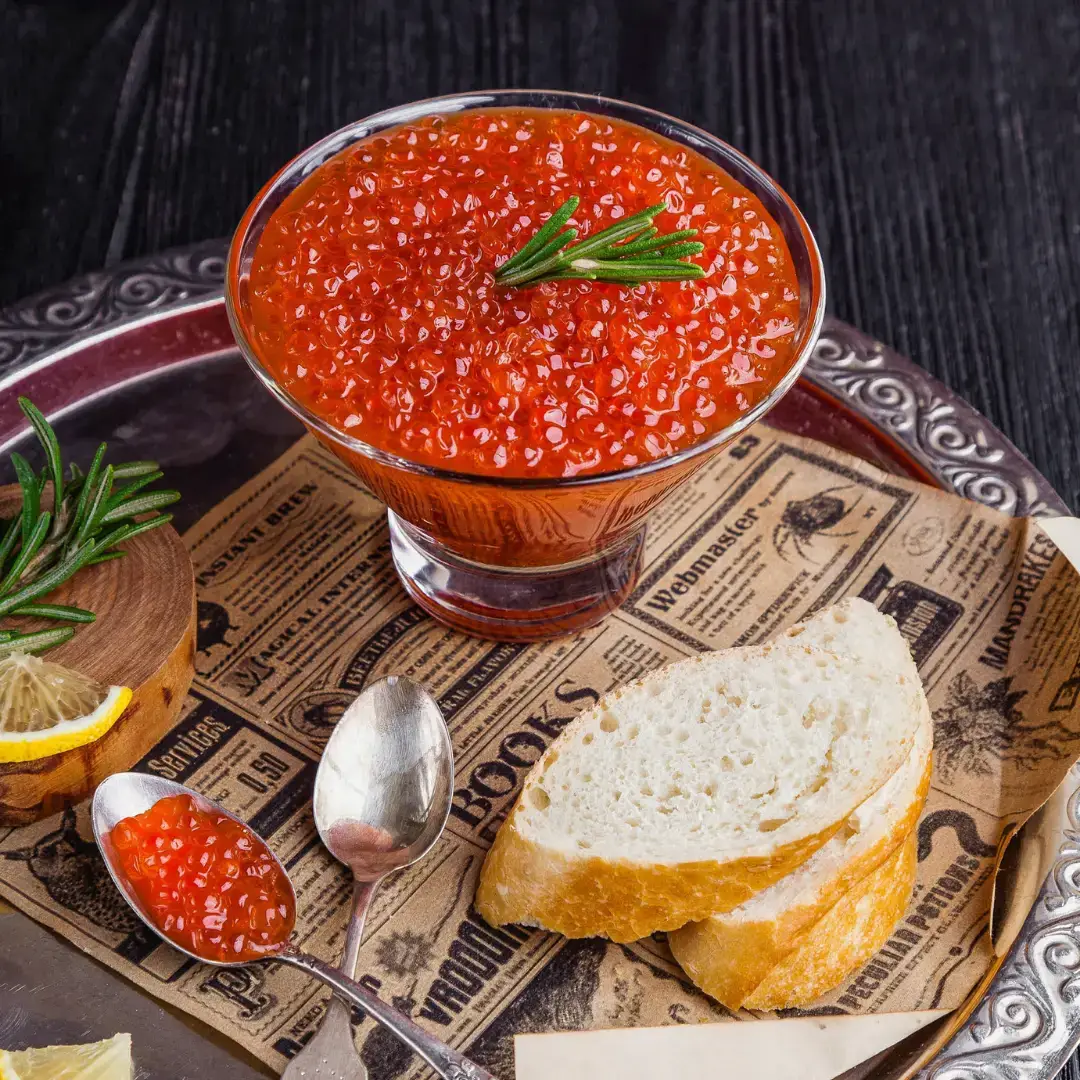
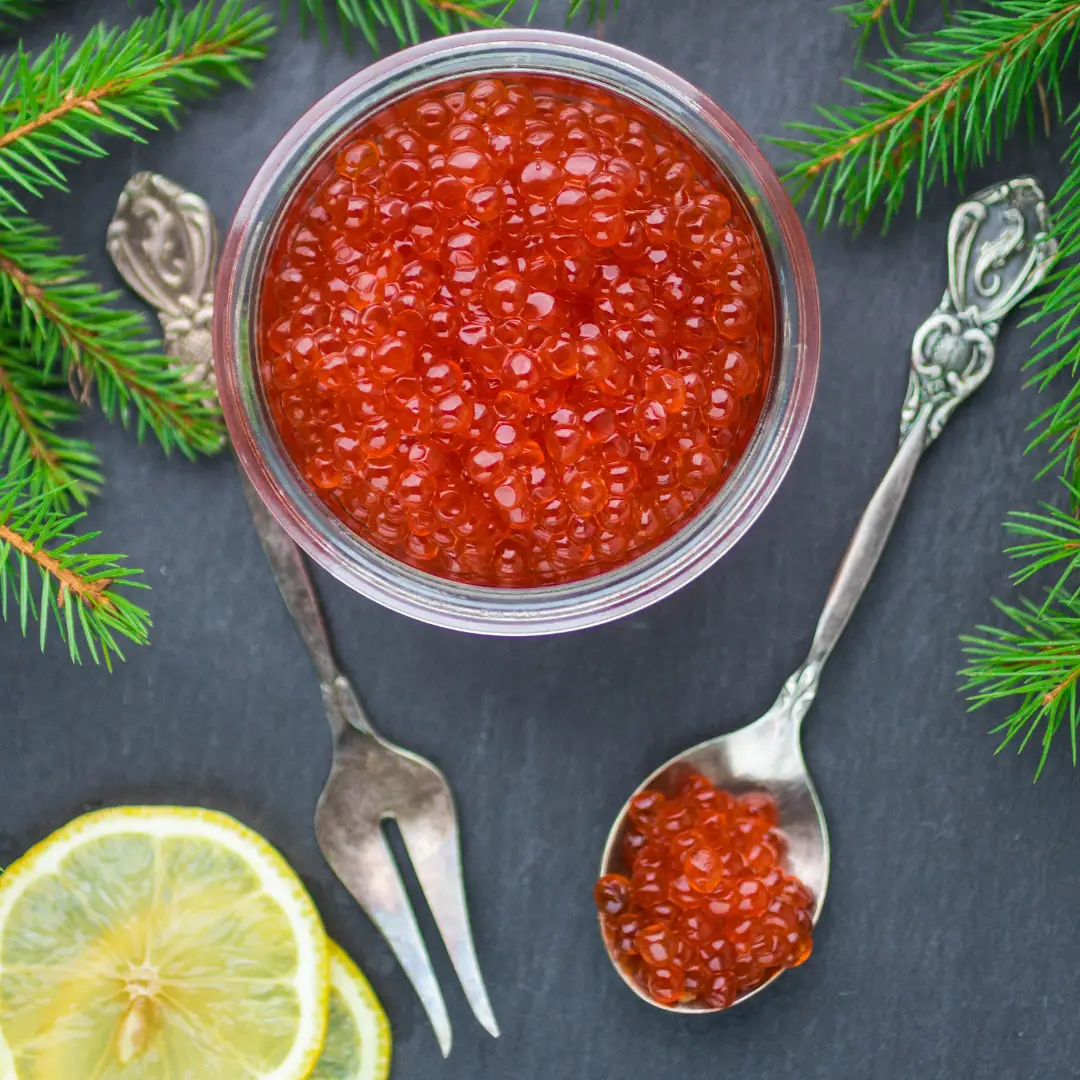
Beyond sturgeon caviar, several types of roe play prominent roles in global cuisines. Salmon roe, known as ‘ikura’ in Japanese, is a staple in sushi and other Japanese dishes, cherished for its large, orange pearls and rich flavor. Trout roe, with its smaller, vibrant eggs, offers a delicate taste and is often used as a garnish or in appetizers. Other notable examples include tobiko (flying fish roe), which adds a crunchy texture and bright color to dishes, and masago (capelin roe), commonly used in sushi rolls for its subtle flavor and appealing aesthetics.
The Culinary Delights of Caviar
Caviar, the jewel of culinary luxury, not only carries the essence of gourmet indulgence but also embodies a rich tapestry of flavor and tradition. This section explores the meticulous process behind harvesting and preparing genuine caviar, alongside its diverse culinary applications across the globe.
How Genuine Caviar is Harvested and Prepared
The journey of genuine caviar from fish to table is a delicate and labor-intensive process. It begins with the careful selection of sturgeon, often raised in aquafarms dedicated to sustainable practices. The timing of the harvest is critical; it must coincide with the peak maturity of the roe. Once harvested, the roe is gently cleaned and sieved to remove impurities and membranes. The essence of caviar’s flavor is captured through the salting process, known as “malossol,” which means “little salt.” This traditional method preserves the roe while enhancing its subtle, buttery taste. The prepared caviar is then graded based on size, color, and texture before being packed into tins for aging, further developing its depth of flavor.
Gastronomic Uses of Caviar Around the World
Caviar’s culinary versatility knows no bounds, transcending borders and cultures. In Russia, it’s traditionally served atop blinis with sour cream, complementing the roe’s richness with a hint of tanginess. French cuisine elevates caviar into the realm of haute cuisine, featuring it in sophisticated dishes that showcase its luxury. Meanwhile, in Japan, caviar has found its way into innovative sushi creations, adding a burst of flavor and texture. These examples only scratch the surface of caviar’s global gastronomic journey, highlighting its role in elevating dishes with its unparalleled luxury and flavor.
The Legal and Environmental Aspects of Caviar Production
As the demand for caviar grew, so did the need for regulation and sustainable practices to ensure its future. This section delves into the regulatory framework governing caviar production and the sustainability measures essential for ethical caviar production.
Regulations Surrounding Caviar Production and Sale
The international trade of caviar is tightly regulated under the Convention on International Trade in Endangered Species of Wild Fauna and Flora (CITES) to prevent overfishing and ensure sustainable sourcing from sturgeon populations. Producers must adhere to strict quotas and certification processes, ensuring traceability from source to sale. These regulations not only help protect sturgeon species but also guarantee the quality and authenticity of the caviar reaching consumers.
Sustainability Concerns and Ethical Caviar Production
Sustainability in caviar production is paramount, addressing both environmental concerns and the ethical treatment of sturgeon. Many farms now employ aquaculture techniques that mimic natural conditions, allowing for the responsible breeding of sturgeon without depleting wild populations. Ethical practices extend to the humane treatment of fish, with many producers adopting no-kill methods that allow for the extraction of roe without harming the sturgeon. These advancements reflect a growing commitment to sustainability and ethics in the caviar industry, ensuring its enjoyment for generations to come.
How to Enjoy Caviar: A Guide for Beginners
For those new to the world of caviar, navigating its nuances can be as intimidating as it is exciting. This guide aims to demystify the experience, offering tips on selecting, serving, and pairing caviar to enhance your enjoyment.
Selecting the Right Caviar: A Buyer’s Guide
When choosing caviar, consider the species of sturgeon, the size and color of the roe, and the flavor profile you prefer. Beluga caviar, known for its large, silvery pearls, offers a creamy, buttery flavor, while Ossetra caviar provides a nuttier taste with smaller, firmer grains. Always purchase caviar from reputable sources to ensure quality and sustainability.
Serving and Pairing Caviar: Tips and Tricks
Caviar is best served chilled, on non-metallic utensils to prevent altering its taste. Traditional accompaniments include blinis, toast points, crème fraîche, and chopped hard-boiled eggs, which complement rather than overpower the caviar. When it comes to pairing with drinks, chilled vodka or a crisp, dry Champagne enhances the caviar’s flavors without overwhelming them. Remember, the essence of enjoying caviar lies in savoring its delicate flavors, allowing the luxury of the experience to unfold with each taste.
The Differences between Lumpfish and Sturgeon Caviar
Taste and Texture
Lumpfish caviar offers a unique culinary experience with its crunchy texture and briny taste, setting it apart from the smooth, nuanced flavor of sturgeon caviar. While lumpfish eggs are often dyed and smaller, sturgeon caviar boasts larger, more refined pearls. These differences not only cater to diverse taste preferences but also to various culinary applications. For a more detailed comparison of these caviar types, consider exploring Lumpfish vs. Sturgeon Caviar, which delves into the subtleties of each.
Market Perception and Consumer Expectations
The market for caviar is driven by consumer expectations of quality and luxury. True caviar, with its rich history and stringent production standards, meets these expectations, commanding a high price and an esteemed place in gourmet cuisine. Calling all fish eggs “caviar” would dilute the term’s meaning and the product’s perceived value, potentially misleading consumers and diminishing the unique status of sturgeon caviar.
Guide to the World’s Most Coveted Caviars
When exploring the question, “Are all fish eggs caviar?” it becomes evident that not all fish eggs meet the criteria to be considered true caviar. True caviar, a term reserved for the salted roe of sturgeon species, includes some of the most coveted varieties in the world: Beluga, Ossetra, and Sevruga. Beluga caviar is renowned for its large, soft pearls and creamy texture, making it the most luxurious of all. Ossetra caviar offers a rich, nutty flavor with medium-sized grains that vary in color from deep brown to gold. Sevruga caviar, known for its smaller, more delicate eggs, provides a more intense flavor. These distinctions are crucial for connoisseurs asking, “Are all fish eggs caviar?” as they navigate the complex world of this delicacy.
Serving and Enjoying Caviar: Etiquette and Pairings
Understanding how to serve and enjoy caviar is essential for those pondering, “Are all fish eggs caviar?” Proper caviar etiquette enhances its luxurious experience, involving the use of mother-of-pearl spoons to avoid altering the taste. Serving caviar chilled on a bed of ice preserves its flavor, and pairing it with non-metallic utensils maintains its integrity. Traditional accompaniments include blini, crème fraîche, and chopped onions, while contemporary pairings might involve subtle, neutral flavors to let the caviar’s taste shine. For anyone asking, “Are all fish eggs caviar?” learning the nuances of serving and enjoying this gourmet product is a journey into culinary sophistication.
The Economics of Caviar: Understanding Its Luxury Status
“Are all fish eggs caviar?” This question often leads to another: Why is caviar considered such a luxury? The answer lies in the economics of caviar production. Factors like scarcity, due to the overfishing of sturgeon and their slow reproductive rate, alongside high demand in luxury markets, significantly contribute to caviar’s high price. The intricate process of harvesting, preparing, and aging caviar, often done by hand, adds to its exclusivity and cost. For those curious about why not all fish eggs are labeled as caviar, understanding these economic aspects provides insight into its status as a symbol of opulence.
Sustainability and Conservation: The Future of Caviar Production
Addressing the question, “Are all fish eggs caviar?” requires an examination of the sustainability and conservation efforts in caviar production. As only sturgeon roe is considered true caviar, the importance of sustainable practices in harvesting these fish eggs cannot be overstated. Overfishing and habitat loss have placed sturgeon species at risk, prompting stringent regulations and the development of aquaculture as an alternative to wild caviar harvesting. These efforts aim to ensure the future availability of caviar while protecting the sturgeon species. For individuals asking, “Are all fish eggs caviar?” it’s crucial to recognize the role of environmental stewardship in preserving this gourmet delicacy for future generations.
The Luxurious World of Kaluga Sturgeon Caviar is a realm where opulence and exquisite taste converge, offering a gourmet treasure highly sought after by culinary aficionados worldwide. Harvested from the majestic Kaluga sturgeon, a fish revered for its size and rarity, this caviar is a symbol of gastronomic luxury. With its large, glossy pearls that offer a buttery, yet slightly nutty flavor, Kaluga caviar presents a complex taste profile that dances on the palate. This delicacy not only encapsulates the essence of luxury dining but also highlights the meticulous care and sustainable practices involved in its production. As one of the most prized caviars, Kaluga sturgeon caviar stands as a testament to the heights of culinary craftsmanship and the enduring allure of gourmet indulgence.
The Unrivaled Quality of IHOC’s Caviar
When discussing the pinnacle of caviar excellence, IHOC emerges as a distinguished name, renowned for offering some of the finest caviar available on the market. Their commitment to quality and sustainability sets them apart, ensuring that every tin of caviar they provide is not only luxurious but also ethically sourced. The meticulous selection process and adherence to traditional preparation methods contribute to the superior taste and texture of their caviar, making it a top choice for connoisseurs and gourmet enthusiasts alike. For those seeking to explore the exquisite selections offered by IHOC, visiting Caviar Canada offers an introduction to a world where quality and luxury meet.
Effortless Luxury: Buying Caviar Online
In the digital age, the convenience of obtaining luxury foods online has transformed the way we access gourmet products, and caviar is no exception. For aficionados looking to purchase this delicacy with ease, the option to buy caviar online presents a seamless solution. One notable platform that stands out for its exceptional offerings and reliable service is provided by IHOC, where enthusiasts can explore a curated selection of the world’s most coveted caviars. By visiting Caviar online, customers are guided through a comprehensive journey, from understanding the nuances of different caviar types to ensuring a smooth purchase process, all designed to enhance the experience of acquiring this luxurious gourmet treasure.
Contains information related to marketing campaigns of the user. These are shared with Google AdWords / Google Ads when the Google Ads and Google Analytics accounts are linked together.
90 days
__utma
ID used to identify users and sessions
2 years after last activity
__utmt
Used to monitor number of Google Analytics server requests
10 minutes
__utmb
Used to distinguish new sessions and visits. This cookie is set when the GA.js javascript library is loaded and there is no existing __utmb cookie. The cookie is updated every time data is sent to the Google Analytics server.
30 minutes after last activity
__utmc
Used only with old Urchin versions of Google Analytics and not with GA.js. Was used to distinguish between new sessions and visits at the end of a session.
End of session (browser)
__utmz
Contains information about the traffic source or campaign that directed user to the website. The cookie is set when the GA.js javascript is loaded and updated when data is sent to the Google Anaytics server
6 months after last activity
__utmv
Contains custom information set by the web developer via the _setCustomVar method in Google Analytics. This cookie is updated every time new data is sent to the Google Analytics server.
2 years after last activity
__utmx
Used to determine whether a user is included in an A / B or Multivariate test.
18 months
_ga
ID used to identify users
2 years
_gali
Used by Google Analytics to determine which links on a page are being clicked
30 seconds
_ga_
ID used to identify users
2 years
_gid
ID used to identify users for 24 hours after last activity
24 hours
_gat
Used to monitor number of Google Analytics server requests when using Google Tag Manager
1 minute
SourceBuster is used by WooCommerce for order attribution based on user source.
Name
Description
Duration
sbjs_session
The number of page views in this session and the current page path
30 minutes
sbjs_udata
Information about the visitor’s user agent, such as IP, the browser, and the device type
session
sbjs_first
Traffic origin information for the visitor’s first visit to your store (only applicable if the visitor returns before the session expires)
session
sbjs_current
Traffic origin information for the visitor’s current visit to your store
session
sbjs_first_add
Timestamp, referring URL, and entry page for your visitor’s first visit to your store (only applicable if the visitor returns before the session expires)
session
sbjs_current_add
Timestamp, referring URL, and entry page for your visitor’s current visit to your store
session
sbjs_migrations
Technical data to help with migrations between different versions of the tracking feature
session
Marketing cookies are used to follow visitors to websites. The intention is to show ads that are relevant and engaging to the individual user.
Facebook Pixel is a web analytics service that tracks and reports website traffic.